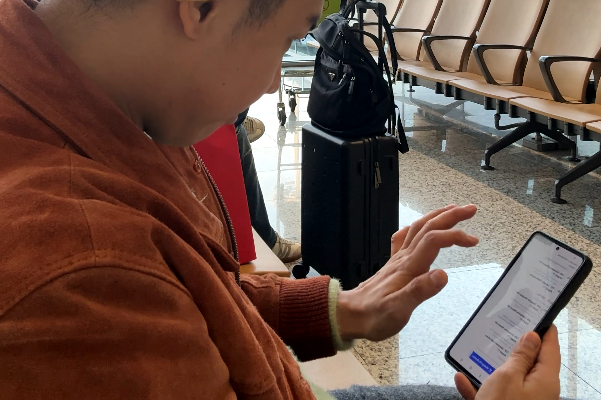

Planning your first time in China? China is one of the most advanced and fast-moving countries in the world, but its unique digital systems can surprise first-time visitors. From Chengdu to Beijing, navigating daily life is easy—once you know how it works.
This guide shows you the essential tips you must know ; how to prepare properly, avoid common mistakes, and travel China with confidence, so you can focus on culture, food, and unforgettable experiences.
- Planning your first trip to China? Here are 10 tips here!
- 1. Install a VPN Before You Leave
- 2. Set Up Mobile Payments Immediately
- 3. Get a Local SIM Card For Your First Time in China
- 4. Master Transportation with Didi
- 5. Take the High-Speed Train
- 6. Adjust Your Expectations for Crowds on Your First Time in China
- 7. Experience the Local Hospitality
- 8. Learn Basic Mandarin Phrases For Your First Time in China
- 9. Essential Survival Apps for First Time in China Visitors
- 10. Choose the Best Time to Visit
- 💡 Extra Tips
- 🎥 Watch The Full Video Here
- 🔗 Helpful Links
Planning your first trip to China? Here are 10 tips here!
1. Install a VPN Before You Leave

Why is this the top priority? China’s “Great Firewall” blocks Western staples like Google, Gmail, and Instagram. To stay connected with friends and family, you must download and test a VPN before you land. Once you are in the country, accessing VPN websites to download them is nearly impossible.
Make sure you set up a VPN before traveling to China. I’ve personally used Shadowrocket and LetsVPN, and both worked well for me. Just a heads-up: a lot of VPNs don’t actually get through the firewall, so don’t assume any VPN will work .
If you want the easiest option, go for a VPN-enabled eSIM. Just activate it on the day you arrive in China, and you’re good to go—no extra setup, no headaches.
2. Set Up Mobile Payments Immediately


In China, cash is no longer king—the QR code is. Alipay and WeChat Pay are used for everything from five-star hotels to street-side fruit vendors. Most international travelers can now link their home Visa or Mastercard to these apps. It is the most essential step for anyone visiting for the first time.
However, foreign users should be aware of a few limitations: WeChat Pay has a daily limit of 2,000 RMB, while Alipay may limit certain transactions to 200 RMB each. In some cases, a 3% international transaction fee may also apply.
3. Get a Local SIM Card For Your First Time in China

Having a physical sim card , Chinese phone number isn’t just about internet access. It unlocks a lot of everyday services you’ll use constantly:
- 🚗 Ride-hailing: Didi drivers often call to confirm your pickup. No local number? Your ride might never show up.
- 🍜 Food delivery: The courier calls when they arrive. No number, no food.
- 🏛️ Museums & attractions: Many bookings require SMS verification with a Chinese number.
- 📦 Online shopping: Once you have a number, you can order things online and ship them directly to your hotel.
So yes — it’s a small SIM card, but it makes a huge difference in how smoothly your trip goes.
Just keep in mind: a local SIM works best when paired with a VPN, otherwise you won’t be able to access most Western apps like Google.
4. Master Transportation with Didi

Didi is China’s answer to Uber, and it is a lifesaver for travelers. The app has a full English interface and allows you to call a car without needing to explain your destination to the driver in Mandarin. It’s generally cheaper than standard taxis and much more convenient. You can easily chat the Didi Customer Service in English if there is any problem with your past rides.
5. Take the High-Speed Train

For traveling between cities, the high-speed rail is the way to go. It is faster than flying when you factor in airport wait times, and it’s incredibly punctual. Make sure to book your tickets in advance through apps like Trip.com, as popular routes between major hubs fill up quickly.
Tip: I recommend keeping a digital copy of your passport as well.
6. Adjust Your Expectations for Crowds on Your First Time in China

With over 1.4 billion people, you will encounter crowds, especially at major landmarks like the Great Wall. Patience is a necessary skill here. Whether you are queuing for the metro or a popular restaurant, stay calm and follow the flow of the crowd.
7. Experience the Local Hospitality

Are the people friendly? Absolutely. While there may be a language barrier, locals are often incredibly helpful to tourists. Whether you’re lost in Huanglong / Jiuzhaigou or Beijing Antique Market , don’t hesitate to use a translation app to ask for help—people will often go out of their way to assist you.
8. Learn Basic Mandarin Phrases For Your First Time in China
| English | Chinese (Pinyin + 汉字) | Audio |
|---|---|---|
| Hello |
nǐ hǎo 你好 |
|
| Sorry |
duì bù qǐ 对不起 |
|
| OK / Yes |
hǎo / hǎo de 好 / 好的 |
|
| Yummy / Delicious |
hǎo chī 好吃 |
|
| Thank you |
xiè xie 谢谢 |
|
| Toilet / Restroom |
cè suǒ 厕所 |
|
| Where is the toilet? |
cè suǒ zài nǎ lǐ 厕所在哪里? |
|
| Handsome guy |
shuài gē 帅哥 |
|
| Beautiful girl |
měi nǚ 美女 |
A simple “Ni Hao” (Hello) and “Xie Xie” (Thank you) will open doors. While technology handles the heavy lifting, showing respect for the local language goes a long way in making your interactions more meaningful and pleasant.
9. Essential Survival Apps for First Time in China Visitors


To navigate China like a local, your home apps won’t cut it. Ensure you have these downloaded:
- Amap (Gaode): For the most accurate walking and driving directions.
- Meituan: Great for finding restaurant reviews and food delivery.
- Eleme: This is my personal favorite! When it comes to food delivery
To travel like a local, make sure you have these essential apps installed before you go. Go Check out my top 10 Apps for a Hassle-Free China Trip below and start downloading!
10. Choose the Best Time to Visit


Because China is so huge, the “where” and “when” are closely linked. Every region has distinct weather patterns. Generally, Spring (April–May) and Autumn (September–October) offer the most comfortable temperatures nationwide. Try to avoid “Golden Week” in early October, as the entire country travels at once, making tourist sites extremely crowded and also the prices shoot up and also getting a train ticket, its like winning a lottery.
💡 Extra Tips
The Toilet Talk
Let’s be real — when you gotta go, you gotta go!
And in China, the toilet situation can be a little different from what you’re used to.

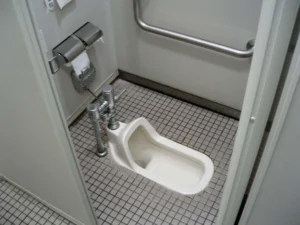
🚽 Be prepared for squat toilets.
If you’re from Southeast Asia and used to water bidets — heads up: most public toilets are dry, more like Western-style ones.
Hotels usually have Western-style toilets, but public restrooms? Squat all the way.
It’s part of the experience — just embrace it!
🧻 I always carry wet tissues and hand sanitizer . they’re my secret weapon for surviving any bathroom situation. You’ll thank me later!
Electrical Sockets
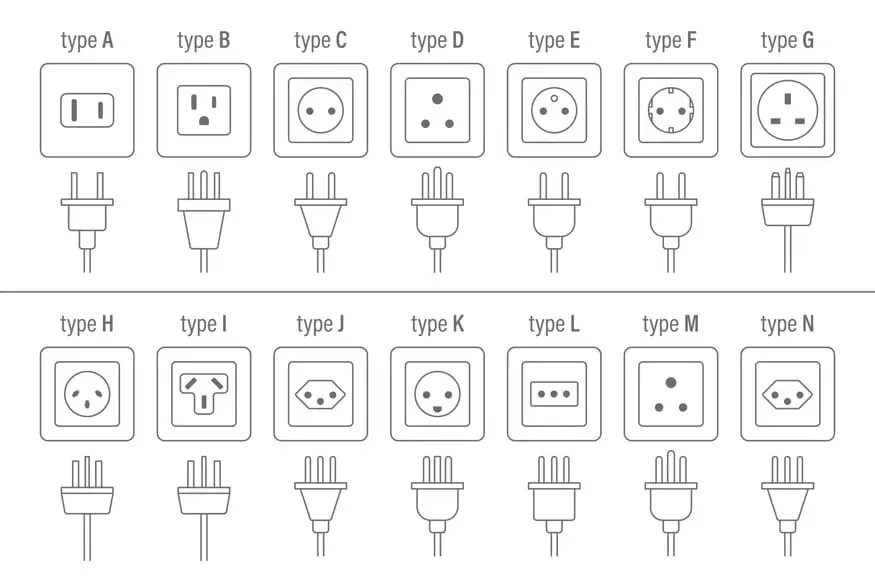
Electrical sockets in China mostly use Type A and Type I plugs, and the standard voltage is 220V with a 50Hz frequency. Type A sockets (two flat pins) are common and usually accept both flat and round pins. Type I (three flat pins in a triangular shape) appears in some newer buildings. If you’re traveling to China, most modern hotels can handle multiple plug types Type A , Type C and Type I , but it’s best to bring a universal adapter and ensure your devices support 220V to avoid damage. 🔌✈️
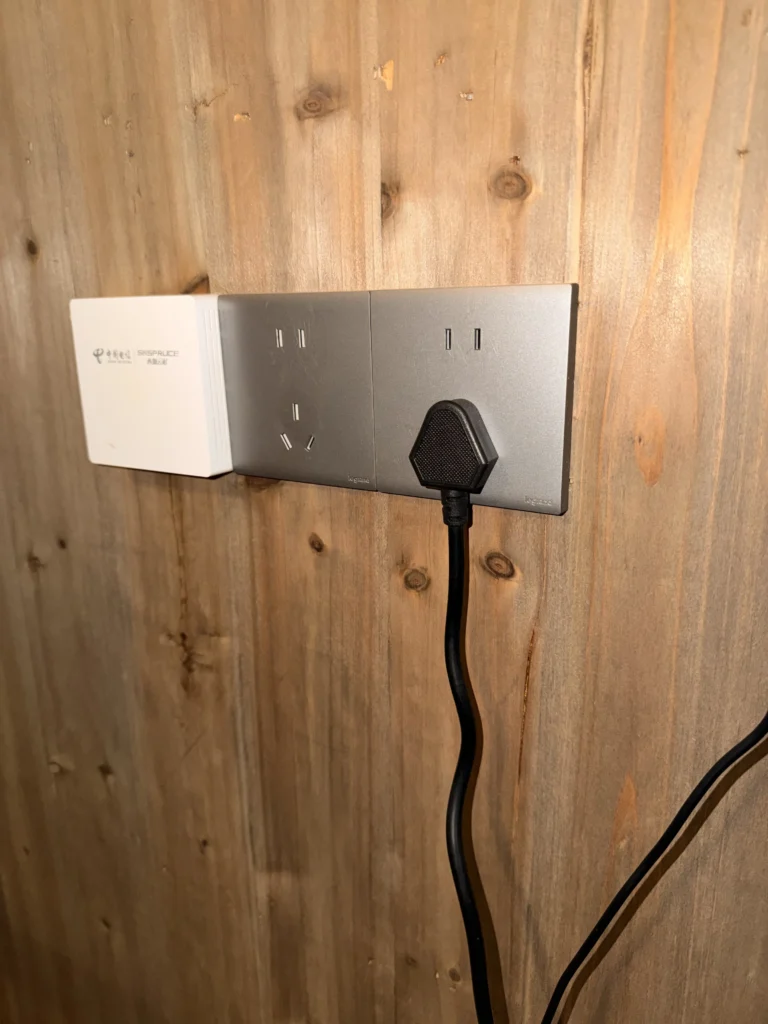
Electrical Sockets Type A and Type I