
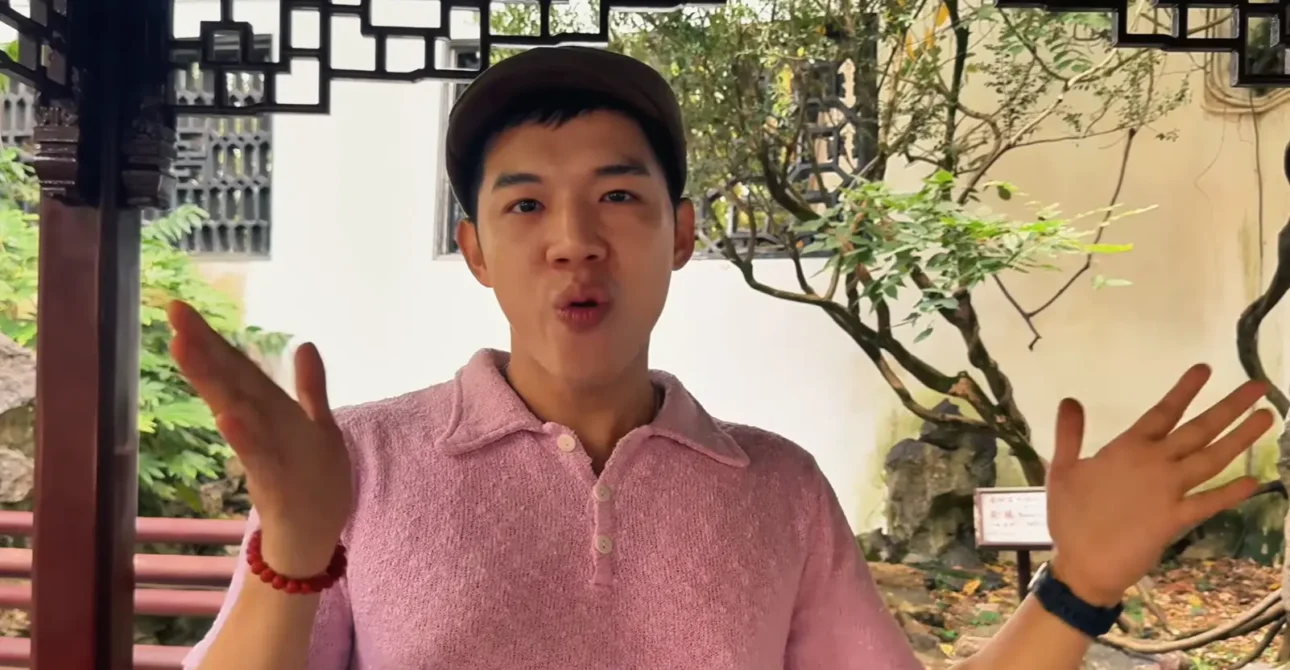
Hey LeoSquad! Scared of getting lost in China with no language skills? Good news: locals don’t expect you to speak perfectly. They expect your phone — a map, a translation app, even just a photo of a dish. That’s the real secret. You don’t need full sentences. Just a handful of Essential Chinese for Travelers — for greetings, food, and transport — and let your phone do the rest.
Just a few simple phrases can completely change how you connect with locals, order food, or even find your way around.
👉 ⚡ Quick Chinese Phrase Cheat Sheet → leotrails.me/chinese
- 🤗 Greetings & Basic Courtesy (Start Every Interaction Here)
- 🙋♂️ Introducing Yourself & Understanding Others
- 🗺️ Getting Around (Directions, Transport & Taxis)
- 🍽️Eating (The Real Travel Experience)
- 🛒 Shopping & Payments
- 🔢 Numbers & Time (Quick Essentials)
- 🆘 Emergencies & Essential Needs
- 📌 Before You Travel…
- 💭 Final Thoughts
- 🏨 Where to Stay in Shanghai?
- 🔗 LeoTrails Links
🤗 Greetings & Basic Courtesy (Start Every Interaction Here)
👋 Basic Greeting Etiquettes
| Chinese (汉字 + Pinyin) | English | Audio |
|---|---|---|
| 你好 (nǐ hǎo) | Hello | |
| 谢谢 (xiè xiè) | Thank you | |
| 再见 (zài jiàn) | Goodbye | |
| 请 (qǐng) | Please | |
| 请问 (qǐng wèn) | Excuse me / May I ask | |
| 对不起 (duì bu qǐ) | Sorry | |
| 没关系 (méi guān xi) | No problem | |
| 好的 (hǎo de) | Okay | |
| 不客气 (bù kè qì) | You’re welcome |
🕒 Time-based greetings
| Chinese (汉字 + Pinyin) | English | Audio |
|---|---|---|
| 早安 (zǎo ān) | Good morning | |
| 下午好 (xià wǔ hǎo) | Good afternoon | |
| 晚上好 (wǎn shàng hǎo) | Good evening |
💬 Conversation helpers
| Chinese (汉字 + Pinyin) | English | Audio |
|---|---|---|
| 可以吗?(kě yǐ ma?) | Is it okay? | |
| 可以用英语吗?(kě yǐ yòng yīng yǔ ma?) | Can you speak English? |
Every great interaction starts with a proper greeting — these Chinese greetings will help you begin every conversation on the right foot.
🙋♂️ Introducing Yourself & Understanding Others

If you’re visiting China, you’ll find locals are often curious and happy to chat. Here are some simple phrases to help you introduce yourself and gently let someone know when you need them to slow down or repeat something.
🤝 Simple connections go a long way
| Chinese (汉字 + Pinyin) | English | Audio |
|---|---|---|
| 你好,我叫 Leo… (nǐ hǎo, wǒ jiào Leo…) | My name is Leo… | |
| 我来自印尼… (wǒ lái zì Yìnní…) | I’m from Indonesia… | |
| 很高兴认识你 (hěn gāo xìng rèn shi nǐ) | Nice to meet you |
Simple connections go a long way. You don’t need a perfect accent — just the courage to try, and the humility to laugh when you mess up. Small vocabulary, big impact. These phrases alone will help you navigate real conversations with way less stress.
🤷♂️ When you don’t understand
| Chinese (汉字 + Pinyin) | English | Audio |
|---|---|---|
| 听不懂 (tīng bù dǒng) | I don’t understand (hearing) | |
| 对不起,听不懂 (duì bu qǐ, tīng bù dǒng) | Sorry, I don’t understand | |
| 请说慢一点 (qǐng shuō màn yī diǎn) | Please speak slower |
Let’s be honest — we’ve all been there. Someone speaks to you in Chinese, you flash your biggest smile, nod like a bobblehead, and silently panic inside.
Here’s how to avoid that. The simplest way to get people to help you understand is to ask them!
🗺️ Getting Around (Directions, Transport & Taxis)
Source: Shoppable Business
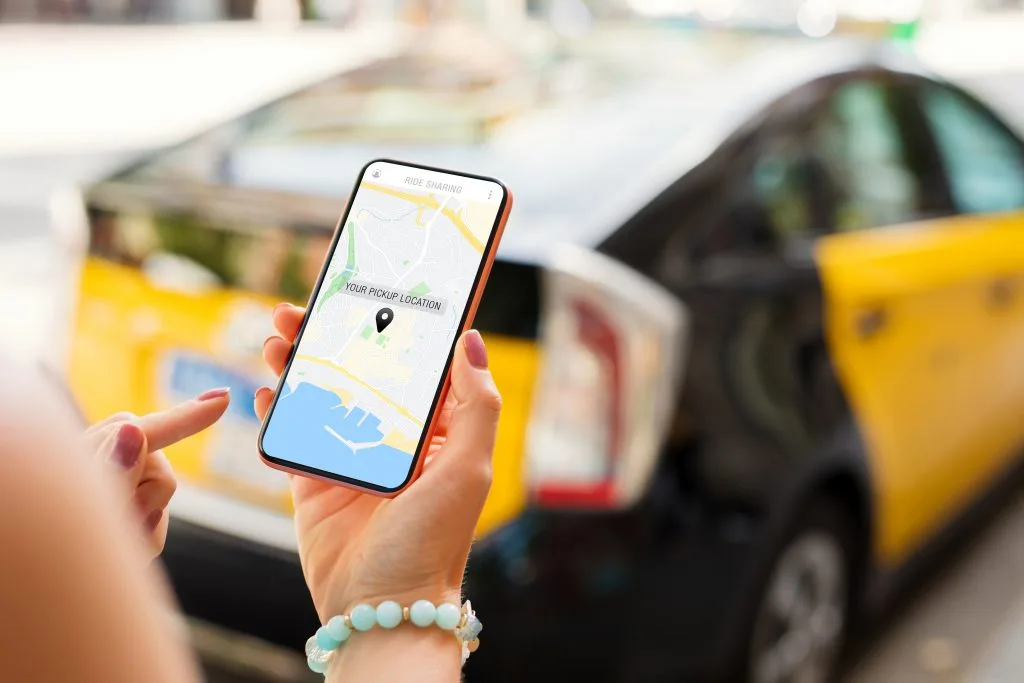
Sometimes asking a real person is still faster than any app. And since Google Maps doesn’t work in mainland China, these phrases will save you more times than you’d think.
📍 Asking for Places
| Chinese (汉字 + Pinyin) | English | Audio |
|---|---|---|
| 厕所在哪里?(cè suǒ zài nǎ lǐ?) | Where is the bathroom? | |
| 这个在哪里?(zhè ge zài nǎ lǐ?) | Where is this? | |
| 地铁站在哪里?(dì tiě zhàn zài nǎ lǐ?) | Where is the subway station? | |
| 公交车站在哪里?(gōng jiāo chē zhàn zài nǎ lǐ?) | Where is the bus stop? | |
| 机场在哪里?(jī chǎng zài nǎ lǐ?) | Where is the airport? |
🧭 Directions
| Chinese (汉字 + Pinyin) | English | Audio |
|---|---|---|
| 左转 (zuǒ zhuǎn) | Left | |
| 右转 (yòu zhuǎn) | Right | |
| 直走 (zhí zǒu) | Straight |
🚕 Taxi & Movement (VERY practical)
| Chinese (汉字 + Pinyin) | English | Audio |
|---|---|---|
| 我想去… (wǒ xiǎng qù…) | I want to go to… | |
| 怎么去…?(zěn me qù…?) | How do I get there? | |
| 坐地铁 (zuò dì tiě) | Take subway | |
| 打车 (Dǎ chē) | get a taxi | |
| 到这里 (dào zhè lǐ) | Go here (show your phone) | |
| 请停这里 (qǐng tíng zhè lǐ) | Stop here |
🚌 Transport Vocabulary
| Chinese (汉字 + Pinyin) | English | Audio |
|---|---|---|
| 公交车 (gōng jiāo chē) | Bus | |
| 地铁 (dì tiě) | Subway | |
| 出租车 (chū zū chē) | Taxi | |
| 火车 (huǒ chē) | Train | |
| 高铁 (gāo tiě) | High-speed rail | |
| 飞机 (fēi jī) | Airplane |
You’ll be surprised how easy it is to get around China. Subways are clean and well-marked. Buses go everywhere. And the high-speed rails? They’ll take you across the country in hours, not days. Just one heads-up: rush hour on public transport is an experience. Bring patience.
🍽️Eating (The Real Travel Experience)

Source: iRoamly eSIM
This is the moment that scares most travelers — staring at a menu with zero pictures and zero English. But don’t worry. These phrases will save you.
📜 Ordering:
| Chinese (汉字 + Pinyin) | English | Audio |
|---|---|---|
| 我要 (wǒ yào) | I want | |
| 这个 (zhè ge) | This | |
| 那个 (nà ge) | That | |
| 菜单 (cài dān) | Menu | |
| 有…菜单吗?(yǒu… cài dān ma?) | Do you have a Menu…? | |
| 有什么推荐?(yǒu shén me tuī jiàn?) | What do you recommend? |
😋 Preferences
| Chinese (汉字 + Pinyin) | English | Audio |
|---|---|---|
| 不要辣 (bù yào là) | Not Spicy | |
| 太辣 (tài là ) | Too Spicy | |
| 不要香菜 (bù yào xiāng cài) | No Cilantro | |
| 我吃素 (wǒ chī sù) | I’m vegetarian |
💸 Paying
| Chinese (汉字 + Pinyin) | English | Audio |
|---|---|---|
| 买单 (mǎi dān) | the bill | |
| 老板 买单 (Lǎobǎn mǎidān) | boss bill please |
🛒 Shopping & Payments
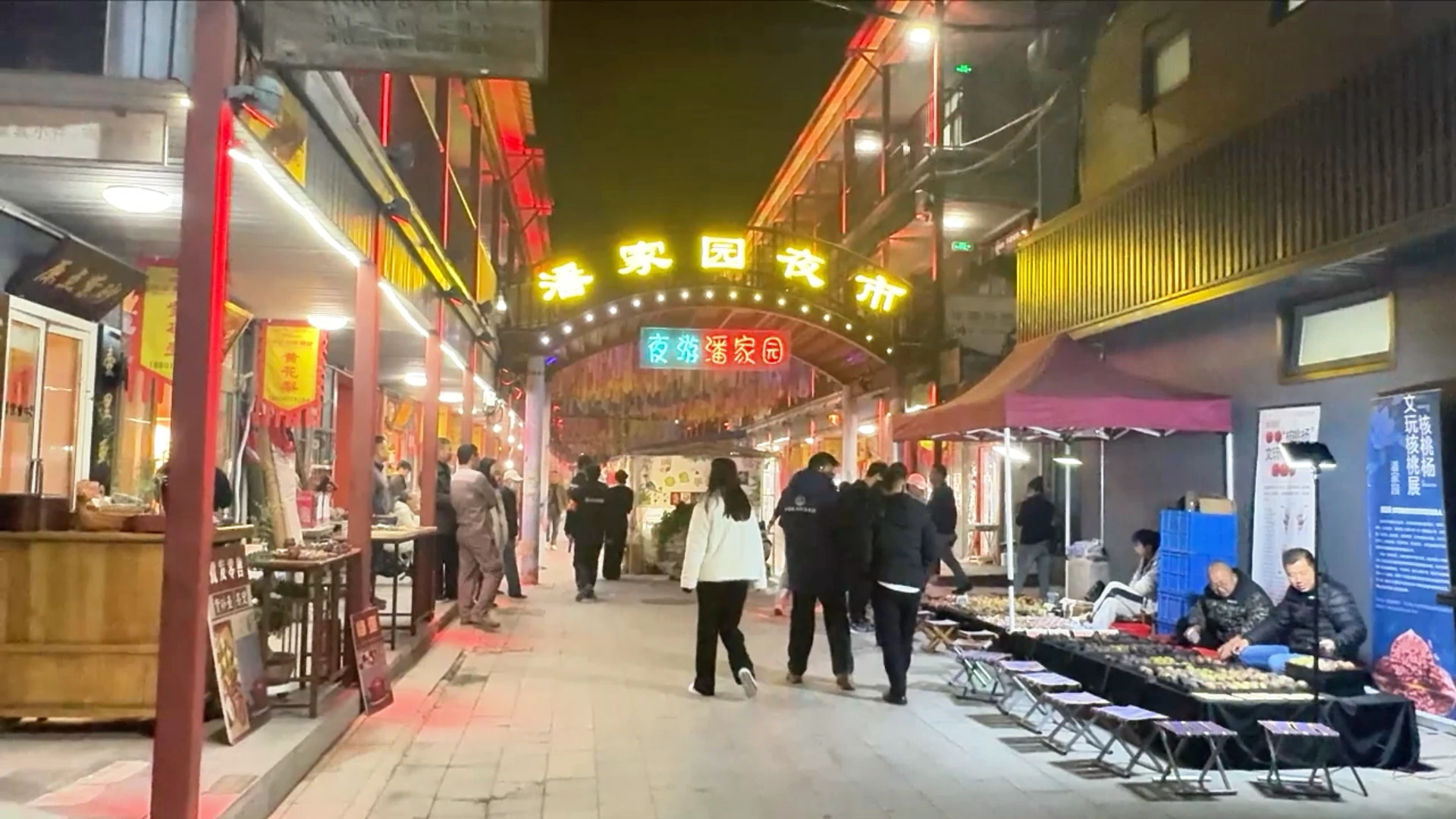
Shopping at Chinese markets is loud, fun, and full of energy. Haggling isn’t rude — it’s expected. Ready to bargain like a local?
🛍️ Shopping Phrases
| Chinese (汉字 + Pinyin) | English | Audio |
|---|---|---|
| 多少钱?(duō shǎo qián?) | How much? | |
| 可以便宜一点吗?(kě yǐ pián yi yī diǎn ma?) | Can it be cheaper? | |
| 太贵了!(tài guì le!) | Too expensive | |
| 我再看看 (wǒ zài kàn kàn) | I’ll look around | |
| 不要,谢谢 (bù yào, xiè xiè) | No thanks | |
| 有打折吗?(yǒu dǎ zhé ma?) | Any discount? |
📱 Payments (Critical in China)
| Chinese (汉字 + Pinyin) | English | Audio |
|---|---|---|
| 支付宝 (zhī fù bǎo) | AliPay | |
| 微信支付 (wēi xìn zhī fù) | WeChatPay | |
| 扫码(sǎo mǎ) | Scan QR | |
| 现金 (xiàn jīn) | Cash |
🔢 Numbers & Time (Quick Essentials)

Source: Wild Great Wall Adventures
🔢 Numbers:
| Chinese (汉字 + Pinyin) | English | Audio |
|---|---|---|
| 一 (Yī) | 1 | |
| 二 (èr) | 2 | |
| 三 (sān) | 3 | |
| 四 (Sì) | 4 | |
| 五 (Wǔ) | 5 | |
| 六 (Liù) | 6 | |
| 七 (Qī) | 7 | |
| 八 (Bā) | 8 | |
| 九 (Jiǔ) | 9 | |
| 十 (shí) | 10 | |
| 十 一 (shí Yī) | 11 | |
| 十 二 (shí èr) | 12 | |
| 百 (bǎi) | 100 | |
| 千 (qiān) | 1000 | |
| 万 (Wàn) | 10000 |
✅ Useful Words:
| Chinese (汉字 + Pinyin) | English | Audio |
|---|---|---|
| 几 (jǐ) | How many (small number) | |
| 几个 (Jǐ gè) | A few | |
| 多少 (duō shǎo) | How many / how much? | |
| 现在几点?(xiàn zài jǐ diǎn?) | What time is it? | |
| 今天是几号?(jīn tiān shì jǐ hào?) | What’s the date? | |
| 有几个人? (Yǒu jǐ gèrén?) | how many people? | |
| 我想买两个 (wǒ xiǎng mǎi liǎng gè) | I want to buy two | |
| 三十分钟 (sān shí fēn zhōng) | 30 minutes |
Chinese numbers follow a simple, logical pattern. Learn a few basics, and you’ll be able to count higher than you think. See if you can spot the rules from this list.
🆘 Emergencies & Essential Needs

Source: Business China
🔠 Core Phrases
| Chinese (汉字 + Pinyin) | English | Audio |
|---|---|---|
| 可以帮我吗?(kě yǐ bāng wǒ ma?) | Can you help me? | |
| 我迷路了 (wǒ mí lù le) | I’m lost | |
| 我不舒服 (wǒ bù shū fú) | I feel unwell | |
| 我需要医生 (wǒ xū yào yī shēng) | I need a doctor | |
| 请帮我打电话 (qǐng bāng wǒ dǎ diàn huà) | Please help me call | |
| 救命!(jiù mìng!) | Help! |
✅ Useful extras
| Chinese (汉字 + Pinyin) | English | Audio |
|---|---|---|
| 我的护照 (wǒ de hù zhào) | My passport | |
| 网络密码是多少?(wǎng luò mì mǎ shì duō shǎo?) | What is the WiFi password? |
Your safety net when things go wrong. Nobody plans for emergencies — but a few simple phrases can turn panic into problem-solving.
📌 Before You Travel…
If you want something quick and easy to use during your trip:
👉 📍 Save this before your China trip → leotrails.me/chinese
It’ll make your life so much easier when you’re actually there.
💭 Final Thoughts
Remember, language isn’t just about words — it’s about building bridges, embracing culture, and creating meaningful connections along the way. You don’t need perfect Mandarin to explore China. Just a few simple phrases, a smile, and the willingness to try can turn everyday moments into something unforgettable.
So go out, explore, and immerse yourself in the experience — one word at a time. 加油 (jiāyóu)!
Fancy trying your hand at some other languages? Check out my guide of Essentials Thai Phrases for travelers
That’s it for this blog post! If you found this helpful, give it a thumbs up! See you in the next post! Love you all! Thank you!
As Always, Live the Moments, and Follow the Trails.✈️🍜🔥🌏
Bye Bye!
🏨 Where to Stay in Shanghai?

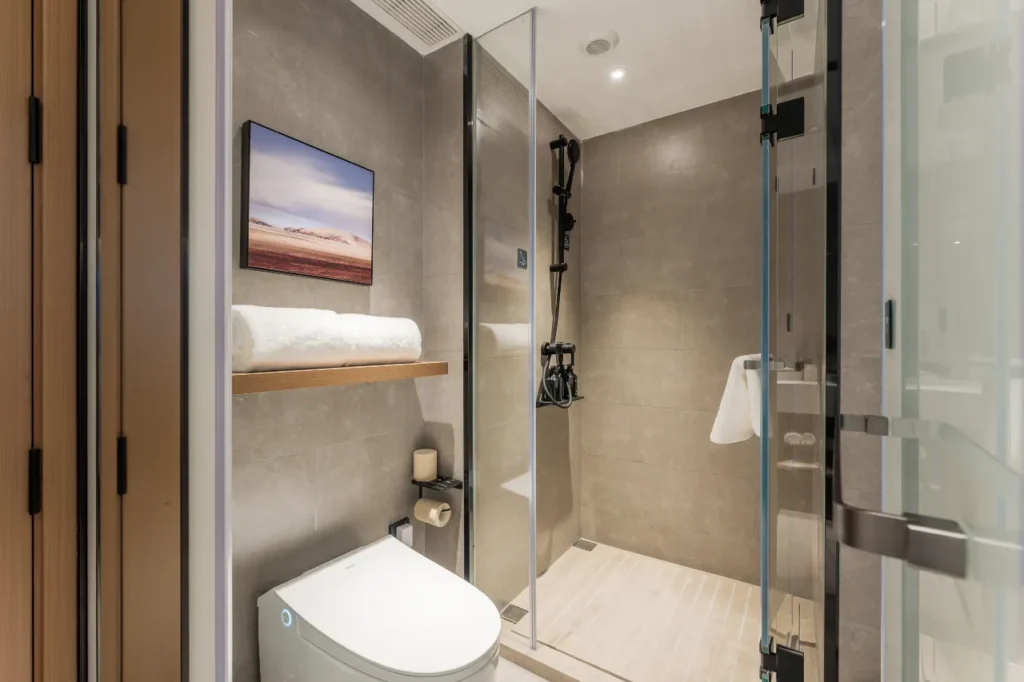
Source: Trip.com
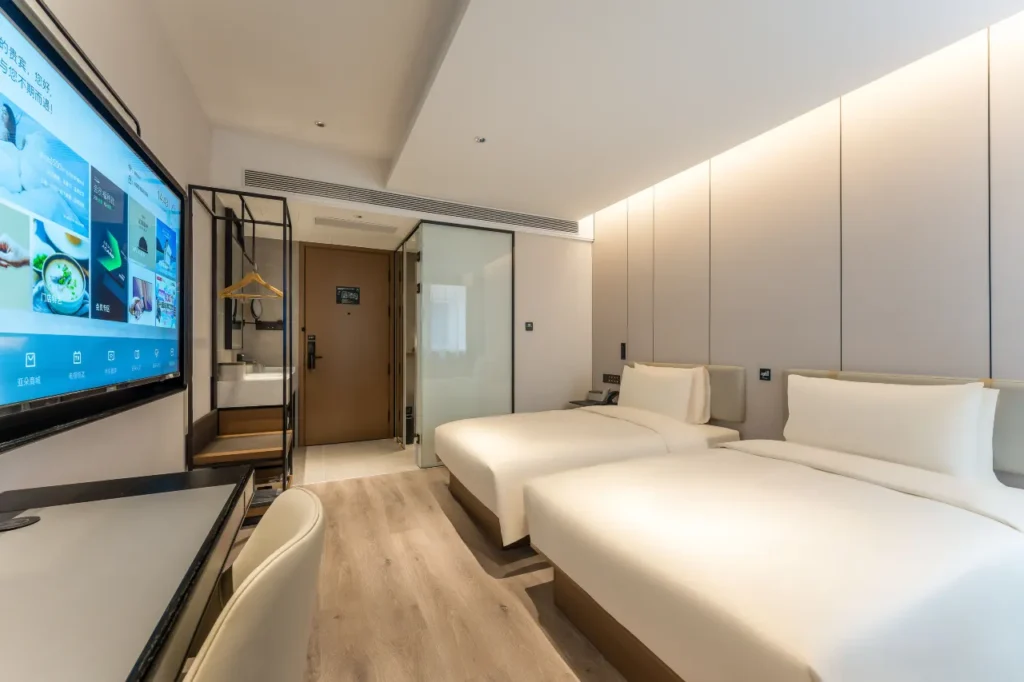
Where to stay: Atour Hotel Shanghai HuangPu Xintiandi Metro Station
I highly recommend choosing accommodation around the Huangpu District area. Most of Shanghai’s main tourist attractions are located here, which makes getting around much easier and more efficient.
Staying in this central district means you’ll be close to major sights, great food spots, and convenient metro connections—saving you both time and energy while exploring the city.
Atour Hotel Shanghai Huangpu Xintiandi Metro Station is a great example of a place to stay in this area. It offers cozy, well-designed rooms that are perfect for unwinding after a full day out. Its location near Xintiandi and the metro makes exploring Shanghai effortless, while still feeling calm and comfortable despite being right in the heart of the city.